

We install flagstone patios, walkways, & outdoor surfaces that bring natural character & lasting durability to your property.
Durable Flagstone Installation in Clanton, AL
Some outdoor surfaces just look… fine. Flagstone looks like it belongs. The natural variation in color, texture, and shape gives every flagstone project a character that manufactured materials simply can’t replicate, and that character tends to improve with age rather than fade with it. It’s the kind of surface that makes a yard feel intentional without trying too hard.
Integrity Construction & Fencing installs flagstone patios, walkways, and outdoor surfaces throughout Central Alabama with the attention to detail and craftsmanship that a natural material like this deserves. Every stone is set with care, every joint is finished properly, and every project is built on a solid foundation designed to keep the surface looking good and performing well for years to come.
What Flagstone Brings to Your Outdoor Space
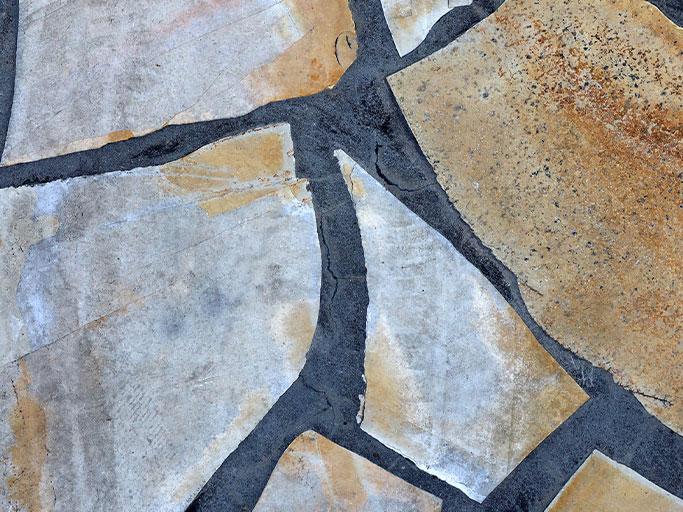
Every Project Is One of a Kind
Because flagstone is a natural material, no two installations look exactly the same. The variation in the stone is part of what makes it appealing, and a skilled installer works with that variation rather than against it. The result is a surface that looks like it grew out of the landscape rather than being placed on top of it.

Built for the Long Haul
The longevity of a flagstone surface depends heavily on how it was installed. A proper gravel and sand base, correct joint material, and attention to drainage all determine how the stone performs over time. We build flagstone surfaces the right way from the ground up, so the finished product holds up the way natural stone is supposed to.
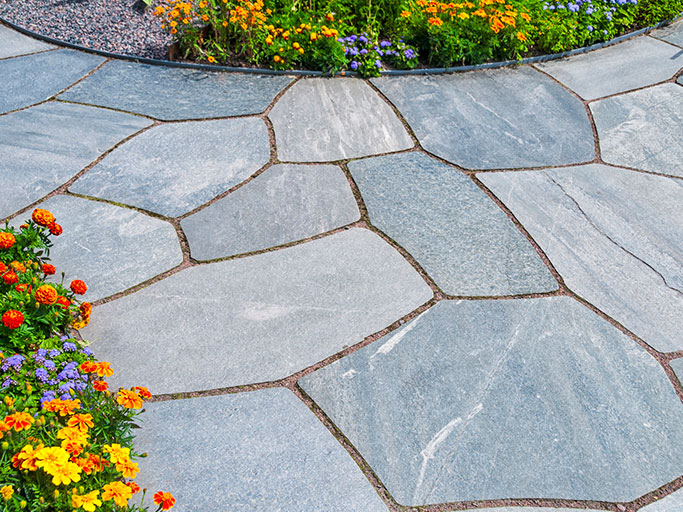
One Material, Endless Possibilities
Whether the goal is a sprawling backyard patio, a winding garden path, or a clean front walkway that enhances the home’s curb appeal, flagstone is a material that fits the application without looking forced. We help you think through the layout, stone selection, and jointing approach so the finished surface fits the space and the property’s overall style.
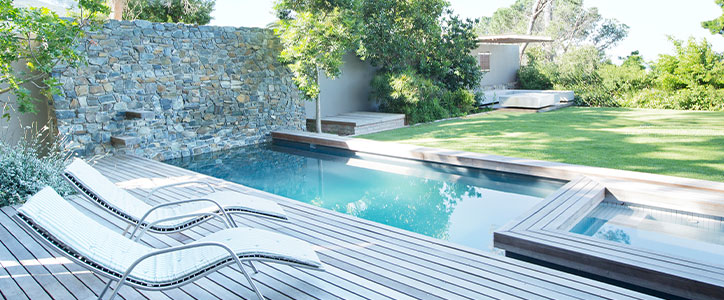
See Just How Stunning Flagstone Can Be



Built with Integrity, Backed by Experience
Flagstone installation might look straightforward from the outside, but the quality of the finished surface depends on what happens beneath. Base preparation, proper drainage slope, and careful stone placement all affect how the surface looks and how long it holds up. Flagstone set on a poorly prepared base will shift, settle unevenly, and create tripping hazards over time, regardless of how good the stone itself is.
We take the preparation as seriously as the installation. Every flagstone project gets a proper base, careful stone selection and layout, and finished jointing that holds the surface together without taking away from the natural look of the stone. The goal is a surface that looks as good ten years from now as it does on the day it’s completed.
Flagstone is one of the most stunning outdoor surfaces you can invest in. Reach out today for a free quote.
Flagstone Questions Worth Asking (and Answering)
Flagstone is a broad term that covers several types of natural stone, each with its own color range, texture, and performance characteristics. Common options include bluestone, limestone, sandstone, slate, and quartzite, and the right choice depends on the look you want, how the surface will be used, and what holds up best in the local climate.
We help you work through the stone selection as part of the planning process. Alabama’s heat, humidity, and occasional freeze-thaw cycles all factor into which stone makes the most sense for a given application, and we’d rather help you choose correctly upfront than have you second-guess the decision once the stone is set.
Natural flagstone is one of the most durable outdoor surface materials available and can last for decades when it’s installed correctly. The stone itself is extremely resilient; it’s the base and installation quality that most often determine how long a flagstone surface performs without needing significant attention.
A properly prepared base, good drainage, and quality jointing material are what keep flagstone stable and looking sharp over time. With routine maintenance, such as occasional cleaning and repointing joints as needed, a well-installed flagstone surface holds up reliably for many years.
Both methods are commonly used, and each has its strengths depending on the application and the look the homeowner is going for. Here’s a straightforward comparison:
- Dry-laid flagstone is set on a compacted gravel and sand base without mortar, allowing for natural movement and easier repairs if a stone needs to be reset.
- Mortar-set flagstone is adhered to a concrete base with mortar joints, creating a more rigid, finished surface with tighter joints.
- Dry-laid tends to work well for garden paths, stepping stones, and informal patio layouts.
- Mortar-set is a better fit for formal patios, pool surrounds, and surfaces that need a more polished, finished appearance.
- Both methods require proper base preparation to perform well over time.
The right choice depends on the application, the style you’re going for, and the site’s conditions. We’ll walk you through the options and make a recommendation based on what best fits the project.
Flagstone is relatively low-maintenance compared to many other outdoor surfaces. Regular sweeping and occasional rinsing keep the surface clean, and repointing joints when they show wear is the most common maintenance task over time.
Sealing flagstone is optional but can help protect porous stone types from staining and moisture absorption, particularly in high-use areas. We can walk you through what maintenance makes sense for the specific stone and jointing material used on your project, so you know what to expect after installation is complete.
In some cases, yes. Installing flagstone over an existing concrete slab is possible when the concrete is in good condition, meaning no significant cracking, heaving, or drainage issues that would affect the new surface above it. It can be a practical option that saves time and the cost of removing the existing slab.
That said, not every concrete surface is a good candidate for an overlay. Here’s what we evaluate before making a recommendation:
- The overall condition and stability of the existing concrete
- Whether there are cracks, heaving, or drainage problems that need to be addressed first
- The thickness and weight of the flagstone being considered
- How the finished height will affect adjacent surfaces, thresholds, and transitions
- Drainage slope and whether the existing grade works for the new surface
If the existing concrete is a solid starting point, an overlay can be a smart approach. If it’s not, we’ll tell you that upfront rather than set flagstone on a surface that’s going to cause problems down the road.
Get the Quality Craftsmanship Your Home Deserves
If you’re planning a new fence, deck, renovation, or outdoor living project, Integrity Construction & Fencing is ready to help. Contact us today for a free quote, and let’s get your project moving.