

We install bluestone patios, walkways, & outdoor surfaces that bring a refined, natural look to your property & hold up beautifully over time.
Expertly Installed Concrete Patios & Slabs in Clanton, AL
Concrete is one of the most practical outdoor surface materials available, and a well-poured slab or patio is the kind of improvement that quietly pays for itself over time. It creates a clean, level surface for outdoor living, provides a solid base for structures, and handles the kind of load and weather exposure that softer surfaces simply can’t. When it’s done right, it’s also one of the most durable things on your property.
Integrity Construction & Fencing pours and finishes concrete patios, slabs, and outdoor surfaces throughout Central Alabama with the preparation and craftsmanship that determine how concrete actually performs over time. We handle the grading, forming, reinforcement, and finishing work, and we do it with the attention to detail that keeps concrete looking good through years of Alabama heat, rain, and everything in between.
What a Quality Concrete Slab Delivers

Ready for Whatever You Put on It
A well-poured concrete slab is one of the most versatile outdoor surfaces available. It serves equally well as a patio for outdoor living, a base for a pergola or outdoor structure, a parking pad, or a utility slab for a workshop or storage building. The surface handles load and use without issue, and it does it year after year without demanding much in return.
More Personality Than You Might Expect
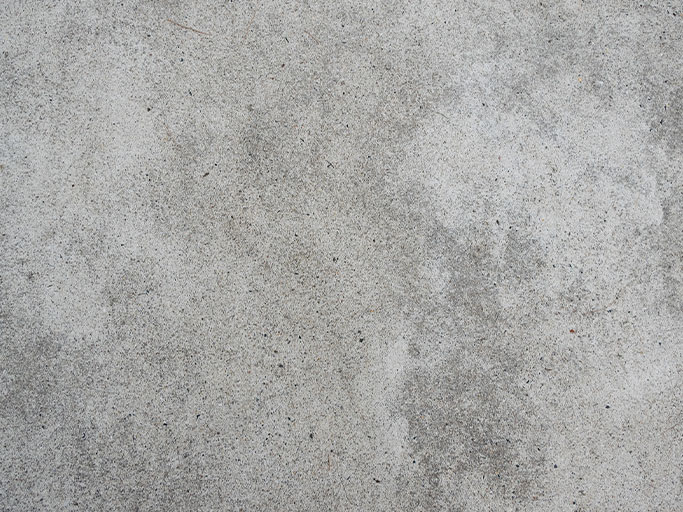
A broomed finish provides clean texture and solid traction. Exposed aggregate brings out the natural character of the stone in the mix. Stamped concrete can replicate the look of pavers, stone, or tile at a fraction of the cost. Colored concrete ties the surface to the home’s and yard’s overall palette. We’ll walk through the finish options with you so the slab looks intentional, not industrial.
Engineered for Every Application
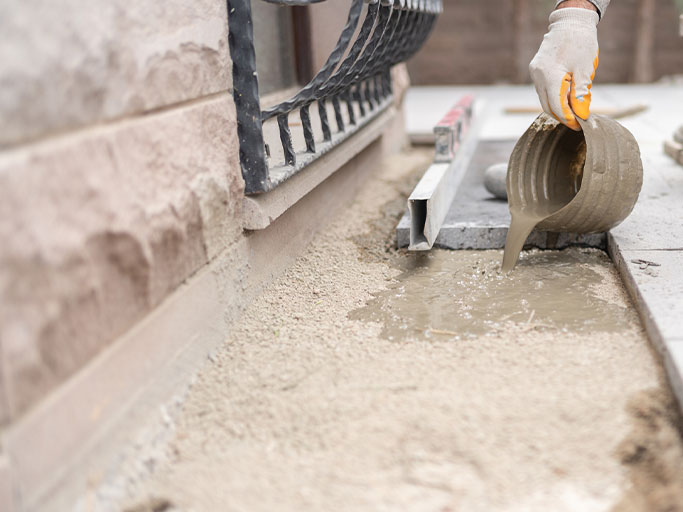
A residential patio slab has different requirements than a driveway, a parking pad, or a slab supporting a heavy outdoor structure. We assess what the application calls for and pour accordingly: the right thickness, the right reinforcement, and control joints placed to manage cracking where it matters. That upfront thinking is what keeps a concrete slab performing the way it should over the long haul.
Concrete Work We’re Proud to Stand Behind (and On)



Built with Integrity, Backed by Experience
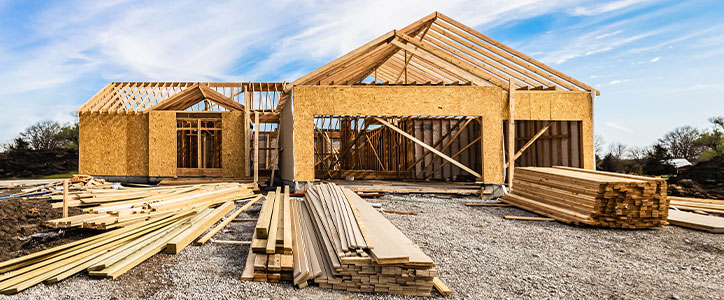
Concrete work looks deceptively simple from the outside, but the quality of the finished slab is almost entirely determined by what happens before the truck arrives. Proper grading, adequate base material, correct forming, and reinforcement placement all affect how the concrete cures and how the slab performs under load and through seasonal ground movement. A slab poured on a poorly prepared base will crack, settle, and heave regardless of how well the surface finish looks on day one.
We prepare every concrete project with the finished performance in mind. That means grading the site correctly, building a stable base, setting forms true and level, placing reinforcement where the application calls for it, and finishing the surface to the standard the project deserves. The result is concrete that does what it’s supposed to do: quietly, reliably, and for a long time.
A properly poured concrete patio or slab is one of the best outdoor investments you can make. Reach out today for a free quote.
Concrete Questions? We've Got You Covered.
For most residential patios and general-use slabs, four inches is the standard thickness and handles foot traffic, outdoor furniture, and typical residential loads without issue. Slabs that need to support heavier loads, vehicles, large outdoor structures, or equipment typically require 5 to 6 inches of thickness and heavier reinforcement.
Getting the thickness right for the application matters more than most homeowners realize going in. A slab that’s undersized for what it needs to support will crack under load faster than one poured to the correct specification. We assess the application before the pour and make sure the slab is built for what it actually needs to handle.
Concrete reaches its initial set within the first several hours after the pour, but full curing takes longer. The slab is typically walkable within 24 to 48 hours under normal conditions, and ready for light use within a few days. Full compressive strength develops over approximately 28 days, and heavier use or loading is best held off until the slab has had adequate time to reach that strength.
Curing conditions matter too. Extreme heat, direct sunlight, and low humidity can cause concrete to cure too quickly, increasing the risk of surface cracking. We account for the conditions on pour day and take steps to protect the slab during curing so it develops strength as it should.
Cracking is one of the most common concerns homeowners have about concrete, and it’s worth understanding what actually drives it. Here are the most common causes:
- Inadequate base preparation or unstable soil underneath the slab
- Insufficient slab thickness for the load being applied
- Missing or incorrectly placed control joints that don’t allow for natural movement
- Concrete that cured too quickly due to heat, wind, or sun exposure
- Ground movement from tree roots, moisture changes, or freeze-thaw cycles
- Reinforcement that was omitted or placed incorrectly during the pour
No concrete slab is guaranteed to be completely crack-free over its lifetime, but proper preparation, correct reinforcement, and well-placed control joints significantly reduce the likelihood of structural or unsightly cracking. That’s why we treat those steps as non-negotiable on every pour.
Absolutely, and it’s one of the more underused options in residential concrete work. Integral color mixed into the concrete itself gives the slab a consistent tone throughout, while surface-applied stains and dyes can be used on existing or new concrete to achieve a range of looks from subtle earth tones to more dramatic finishes.
For texture, a broomed finish is the most practical option for outdoor slabs and provides solid traction underfoot. Exposed aggregate brings natural texture and visual interest by revealing the stone in the mix. Stamped concrete uses patterned tools pressed into the surface before it sets to replicate the look of pavers, flagstone, or tile. Each option significantly changes the slab’s character, and we’ll walk through what makes sense for your project during the planning process.
Concrete is one of the lower-maintenance outdoor surfaces available, but a little routine attention keeps it performing and looking its best over time. Here’s what regular upkeep typically involves:
- Sweeping and rinsing the surface periodically to remove dirt, debris, and organic buildup
- Cleaning oil stains or spills promptly to prevent deep absorption into the surface
- Applying a concrete sealer every few years to protect against moisture, staining, and surface wear
- Keeping soil, mulch, and vegetation from building up against the slab edges
- Monitoring control joints and addressing any cracking that develops before it progresses
- Avoiding the use of harsh deicing chemicals in winter, which can damage the surface finish
None of it is time-consuming, and staying on top of those basics significantly extends the life and appearance of the slab. A well-maintained concrete surface can look sharp and perform reliably for decades with surprisingly little effort.
Get the Quality Craftsmanship Your Home Deserves
If you’re planning a new fence, deck, renovation, or outdoor living project, Integrity Construction & Fencing is ready to help. Contact us today for a free quote, and let’s get your project moving.